

Office space optimization is a strategic operational discipline. It moves beyond simple layout changes, as this process continuously aligns physical space with actual organizational needs. To achieve this, true optimization requires planning, utilization analysis, and management.
With this systematic approach in place, businesses can better support essential functions such as visitor management and resource booking. It also helps bridge the gap between existing space problems and effective solutions. The ultimate objective is to maximize space utilization while improving overall workplace efficiency.
In this blog, we’ll walk through the process step by step—from identifying key issues to implementing the right systems. Along the way, we’ll outline a clear, actionable framework to help you make smarter, more efficient use of your office space.
Contents
- 1 What Is Office Space Optimization?
- 2 Why Office Space Optimization Matters in Modern Workplaces
- 3 Common Office Space Challenges That Require Optimization
- 4 How to Optimize Office Space Strategically (Not Randomly)
- 5 Measuring Office Space Utilization Before Optimization
- 6 Office Space Utilization Solutions That Enable Smarter Decisions
- 7 Role of Visitor Management in Office Space Optimization
- 8 Optimizing Meeting Rooms as Part of Office Space Efficiency
- 9 Desk Booking and Flexible Seating for Workspace Optimization
- 10 Office Space Management Systems That Scale Optimization
- 11 How Technology Enables Continuous Office Space Optimization
- 12 Final Thoughts — Building a Smarter, More Efficient Office
- 13 FAQs: Office Space Optimization
- 13.1 1. What is the difference between office space optimization and office space management?
- 13.2 2. How does office space optimization improve space utilization in hybrid workplaces?
- 13.3 3. What data is required before implementing an office space optimization strategy?
- 13.4 4. How can organizations measure office space efficiency accurately?
- 13.5 5. What role does space utilization technology play in optimizing office space?
- 13.6 6. How do visitor patterns impact office space optimization decisions?
- 13.7 7. Why are meeting rooms often underutilized without a booking system?
- 13.8 8. How does desk booking software support workspace optimization?
- 13.9 9. Can office space optimization reduce real estate and operational costs?
- 13.10 10. When should companies move from manual space planning to an office space utilization system?
What Is Office Space Optimization?
Office space optimization is a continuous operational process, which systematically improves how a workplace functions. This practice uses data on people, space, and usage patterns. The core entity focuses on maximizing the value of every square foot.
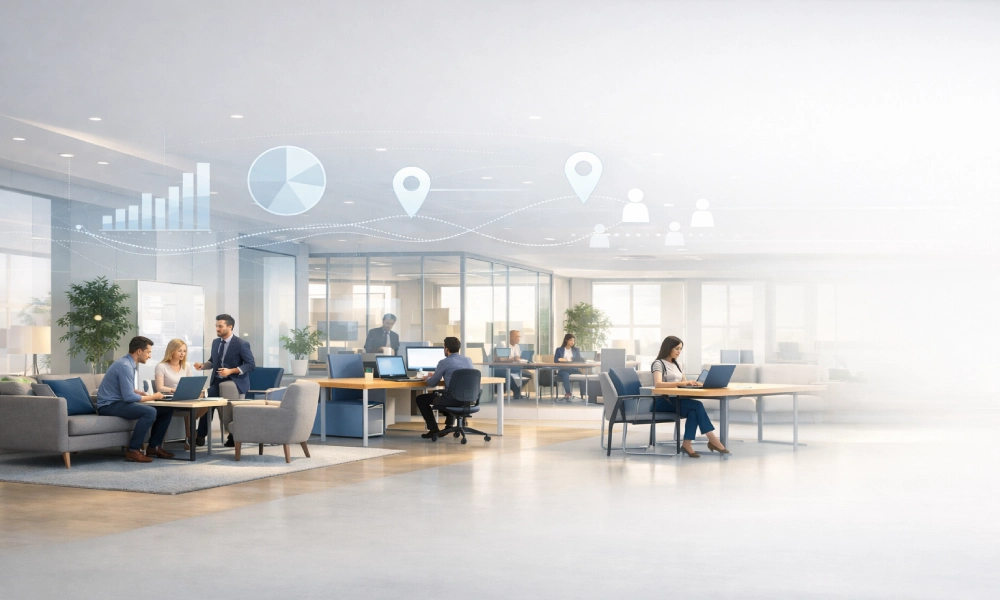
Optimization adapts the office to evolving work habits and business goals; It is not a one-time renovation project. Forget simple desk rearrangements. This discipline integrates space, technology, and policy. The physical environment needs to provide active support for both productivity and collaborative work.
Understanding office space optimization is the first critical step. The strategic actions of the organization require an accurate definition that establishes foundational elements. This knowledge unlocks meaningful workplace improvements.
Why Office Space Optimization Matters in Modern Workplaces
Hybrid work models create new requirements for office space because they disrupt traditional office space needs. The workstations remain unoccupied while the teamwork spaces experience excessive demand. The study found that more than 90 percent of library materials and spaces experienced insufficient usage throughout the academic year.
Rising real estate costs make inefficiency unacceptable. Office space efficiency directly impacts the bottom line, thus a wasted space is wasted capital that could be invested elsewhere. Employee experience suffers in poorly optimized environments. For example, workers struggle to find desks or meeting rooms.
The organization uses office space optimization methods, which solve its most important business challenges. The conversion transforms real estate from a fixed expense into an asset that organizations can utilize for their strategic needs. The transformation provides financial advantages to the organization while supporting its cultural objectives.
Common Office Space Challenges That Require Optimization
The presence of unused desks at the workspace creates proof that the company is wasting its available resources. The system shows an incorrect allocation of space because it does not match the space requirements at the current time. This underutilization is costly and obvious.
Overbooked meeting rooms create daily frustration, as teams waste time searching for available space. This chaos disrupts workflow and important conversations.Visitor congestion in lobbies creates a poor first impression, since unmanaged guest flow also raises security concerns. It highlights a lack of oversight and planning.
Poor visibility into usage patterns is the root cause. Without data, managing office space becomes guesswork. You cannot fix what you do not measure and understand.
How to Optimize Office Space Strategically (Not Randomly)
Develop a permanent strategy that replaces existing temporary solutions. Start with clear planning based on organizational goals. The process needs to be operated through established standards, which will protect all system components. The team needs to collect current space usage information for analysis purposes.
Collect and examine existing space utilization data. This evidence informs your optimization of office space decisions. The new office patterns need permanent backing through policy development.
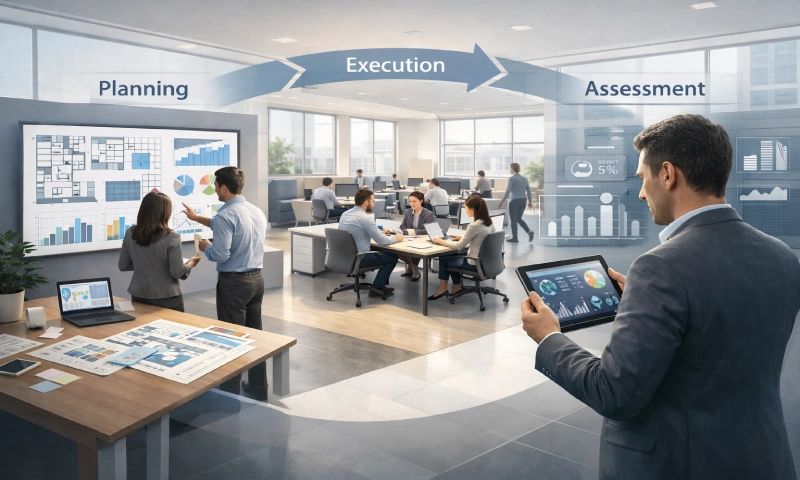
The strategy follows a three-part cycle, which includes planning, execution, and assessment. The organization needs to make ongoing adjustments to achieve its permanent objectives. The organization uses this structured method to eliminate its current practice of making random changes that do not produce results.
Space Planning vs Space Optimization — Key Differences
Space planning exists as a design activity that takes place during the initial development stage. The process establishes the fundamental design elements, which include space distribution and furniture arrangement. The work of this project requires people to complete their tasks before they start using the designated area.
Office space optimization is an ongoing management activity. It continuously adjusts the space after occupancy begins. Optimization responds to real-world usage data and changing needs.
Understanding this distinction is crucial. Workplace space planning solutions set the stage. True optimization, however, requires continuous effort and monitoring.
Measuring Office Space Utilization Before Optimization
Data is the non-negotiable prerequisite for optimization. You need to measure current office operations because you have to assess actual office activities. Start your tracking process by measuring desk occupancy rates throughout different periods.
The next step requires you to compare meeting room bookings with actual usage of the rooms. The system should track two elements, which are visitor numbers and the times when most visitors arrive at the lobby. This gives a complete picture of space utilization pressure points.
Office space monitoring provides the facts you need. This evidence reveals your true starting point. Accurate measurement turns guesswork into actionable insight.
Office Space Utilization Solutions That Enable Smarter Decisions
Technology systems enable data-driven decisions because they act as the central nervous system for your workplace. These solutions collect and analyze usage information automatically. That’s why an office space utilization solution provides real-time visibility.
These platforms are key office space utilization technologies. They transform raw data into actionable reports. This empowers leaders to make confident strategic adjustments. It shows which spaces are used and which are vacant, thus, this intelligence informs smarter real estate and policy choices.
Have you ever faced a hassle regarding visitor flow and access data? A visitor management software will provide you with front desk management, which in turn will help you to understand visitor control better. Visit Othership today.
Role of Visitor Management in Office Space Optimization
The number of visitors to a location determines how many people will use its lobby and common spaces. Visitor traffic that lacks proper management creates both crowding problems and security vulnerabilities. The workspace gets interrupted because both employees and guests need to leave their area.
A visitor management system captures critical data. The system tracks peak times when visitors arrive, together with their specific locations. This information predicts demand for meeting rooms and shared spaces.
Integrating this data is vital for office space management. It ensures the office can comfortably accommodate all occupants. Smart optimization includes every person in the building.
Optimizing Meeting Rooms as Part of Office Space Efficiency
Overbooking and no-shows plague meeting room efficiency. Teams double-book rooms or reserve them unnecessarily. This leaves other groups without the needed collaboration space.
A meeting room booking system brings fairness and order as It enforces rules and releases unused reservations automatically. This increases availability and reduces conflicts. This technology is crucial for workspace optimization to ensure high-value spaces are used effectively.
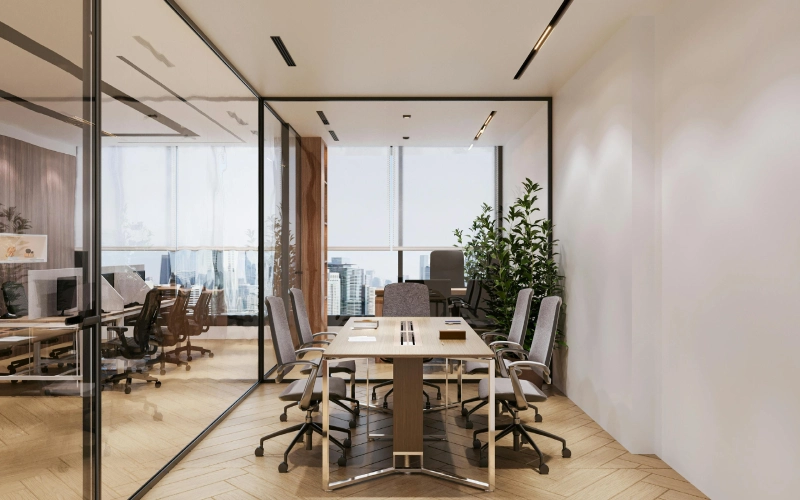
The procedure for meeting room optimization creates the essential elements needed to reach complete operational success.
The process of solving excessive meeting room usage, together with insufficient meeting room usage, needs to be solved by you. Our meeting room booking software provides an efficient solution for scheduling that improves room usage.
Desk Booking and Flexible Seating for Workspace Optimization
The practice of hybrid work makes traditional desk assignments useless. Flexible seating matches space supply with daily demand. Desk booking software facilitates this modern arrangement.
Employees book a desk only when they need it. This practice reveals true office space efficiency patterns since the data helps right-size your office footprint over time. This approach is a strategic workspace optimization layer. It is not just an employee perk. It directly reduces real estate costs by aligning space with use.
Office Space Management Systems That Scale Optimization
Individual solutions create data silos. An integrated ecosystem provides a unified view. This combines visitor, desk, and room information into one dashboard.
The entire office space management system functions as a genuine office space management system because it needs this specific method to operate its entire system. The system enables organizations to make coordinated decisions about both policy matters and planning activities. You see how one change affects the entire environment.
Central visibility is the ultimate goal for effective space management. It allows optimization efforts to scale across the portfolio. The management process transforms from handling situations as they arise to implementing preventive measures.
How Technology Enables Continuous Office Space Optimization
The process of optimization to reach its final goal requires continuous development between its starting point and ending point. Technology establishes a system that enables users to evaluate performance and make necessary adjustments. This supports a model of continuous workplace improvement.
Office space utilization technology provides the needed insights. It alerts you to new trends and underused assets. Office space utilization technology delivers essential insights needed for its operation. The system allows organizations to manage changes in work patterns through its real-time response capabilities.
The office space needs to be optimized at all times for your business operations. Your company will achieve office space evolution through its ongoing development. Your organization requires this adjustment capability to function as a vital force in the market.
Final Thoughts — Building a Smarter, More Efficient Office
The process of office space optimization delivers actual monetary benefits to organizations. The system reduces costs while it increases both productivity and user satisfaction. This strategic discipline offers a strong return on investment.
The successful outcome needs an approach that combines system methods with data analysis techniques. The methodology of this approach establishes permanent improvements that maintain their effects over time. The methodology establishes permanent improvements that will remain effective throughout an extended period.
Start your path to a more intelligent office space beginning today. Your decision-making process will benefit from data analysis, while your team will gain strength from technological solutions. The route that leads to improved office productivity exists in an obvious manner.
Do you want to create an office space that operates with better intelligence and improved efficiency? Our integrated visitor management software, together with our space optimization platform, is available for demonstration through our booking system.
FAQs: Office Space Optimization
1. What is the difference between office space optimization and office space management?
Office space management is the ongoing administration of your workplace. It includes maintaining facilities, allocating desks, and handling moves. On the other hand, office space optimization is the strategic evolution of that space. It uses data to continuously improve how space supports people and goals.
2. How does office space optimization improve space utilization in hybrid workplaces?
Hybrid work creates unpredictable attendance patterns. Optimization uses data from booking systems and sensors to reveals actual usage trends, not assumptions. You can then match your space supply to real daily demand. This often enables significant portfolio downsizing. Effective office space optimization eliminates the waste of empty assigned desks.
3. What data is required before implementing an office space optimization strategy?
Start with quantitative occupancy data. This includes peak desk usage rates and meeting room booking versus check-in. Also, gather qualitative feedback on employee pain points.
Visitor log data is also crucial for forecasting lobby demand. This combination of metrics and feedback provides a complete picture. You cannot optimize what you do not first measure accurately.
4. How can organizations measure office space efficiency accurately?
Move beyond simple occupancy percentages. Measure density (people per square foot) against productivity indicators.
Track the cost per employee for real estate and utilities. Also, monitor time wasted searching for space or resolving conflicts. True office space efficiency links physical metrics to business outcomes. This reveals the real return on your space investment.
5. What role does space utilization technology play in optimizing office space?
Technology automates the collection of accurate usage data since it removes human error and bias from manual tracking. This provides a reliable, real-time fact base for decisions. Office space utilization technology also enables dynamic adjustment through booking systems.
6. How do visitor patterns impact office space optimization decisions?
Visitors to a building create higher demand for its lobbies, meeting rooms, and their amenities. The presence of uncontrolled visitor traffic generates overcrowding, which interrupts the work activities of personnel. This decreases the overall productivity of the workplace.
Analyzing visitor data helps you forecast and allocate shared resources to ensure your space can comfortably support all occupants. Office space optimization must account for both internal and external users.
7. Why are meeting rooms often underutilized without a booking system?
The booking process needs organizational systems because it currently depends on separate tools, which include email and calendars. The system creates three problems, which include double-bookings, no-shows, and “ghost meetings.” The rooms get reserved but remain unoccupied.
The dedicated system for meeting room bookings enforces booking rules while it handles the release of no-shows. It provides visibility, freeing up space for others. This simple technology dramatically improves the utilization of high-value rooms.
8. How does desk booking software support workspace optimization?
Desk booking software enables flexible seating in a hybrid model. The system enables organizations to use their space requirements only during actual operational needs, which leads to decreased constant operational costs. The data it generates reveals true, granular demand patterns.
9. Can office space optimization reduce real estate and operational costs?
Yes, it is a primary driver of cost reduction. By improving office space efficiency, you often need less square footage. Directly through this method, expenses for rent, utilities, and maintenance costs experience a reduction.
The process of optimization decreases costs associated with “churn,” which occurs during unplanned moves that happen too often. The resulting data helps you negotiate better with landlords. The financial benefits typically far exceed the cost of implementing optimization systems.
10. When should companies move from manual space planning to an office space utilization system?
Move when manual tracking becomes inaccurate or too time-consuming. This often coincides with adopting hybrid work or experiencing rapid growth. When you can no longer trust your gut on space needs, you need data.
The transition point is when the cost of poor decisions exceeds the system’s cost. Implementing an office space utilization system is a sign of strategic maturity. It is the tool that enables scalable, evidence-based management.


You must be logged in to post a comment.